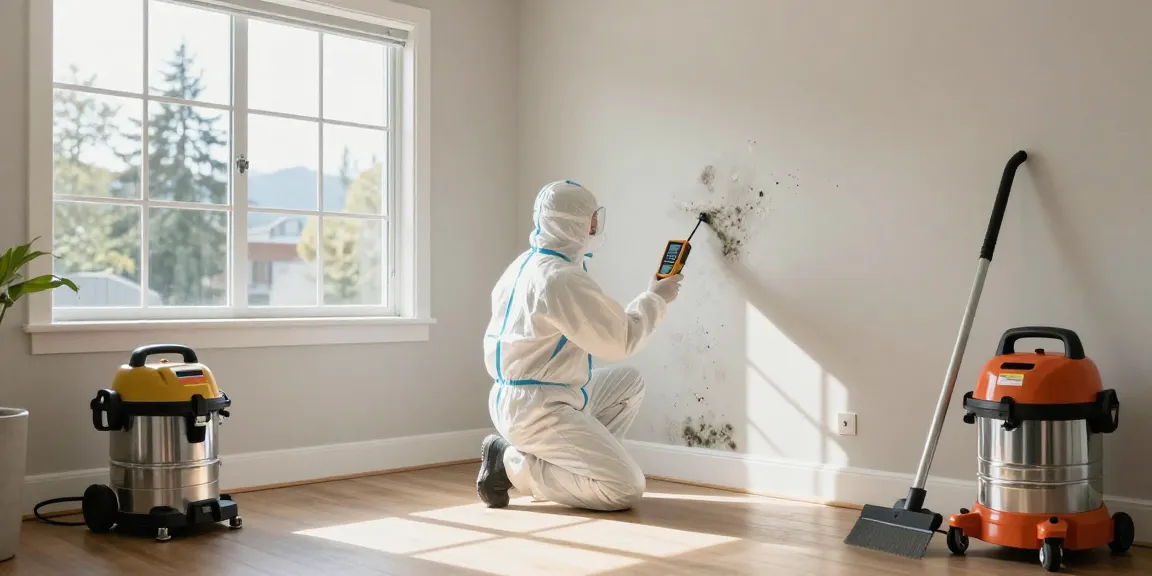
Understanding Mold and Its Risks in Vancouver Homes
Mold is a pervasive issue that affects many homes in Vancouver, particularly given the region’s unique coastal climate. With its wet winters and high humidity levels, the city provides an ideal environment for various types of mold to thrive. Homeowners often find themselves grappling with mold infestations that not only compromise the aesthetic appeal of their residences but also pose significant health risks. Addressing mold problems promptly is essential to safeguard both property and health. When exploring options, Mold Remediation West Vancouver offers comprehensive insights into effective solutions tailored for the local climate.
What Types of Mold Are Common in West Vancouver?
In West Vancouver, several species of mold can commonly be found, including:
- Aspergillus: This mold is prevalent in homes and can cause respiratory issues.
- Penicillium: Often found in damp areas, it can trigger allergic reactions.
- Stachybotrys (Black Mold): Known for its toxic properties, it thrives in moisture-rich environments and can be extremely hazardous to health.
- Cladosporium: Typically found indoors in humid conditions, it can provoke respiratory problems and allergies.
Understanding the types of mold that are common to your environment is crucial for effective remediation and prevention strategies.
Health Effects of Mold Exposure
Exposure to mold can lead to a range of health issues, particularly for sensitive individuals. Some common health effects associated with mold exposure include:
- Respiratory issues such as asthma and bronchitis.
- Allergic reactions, including sneezing, runny nose, and itchy eyes.
- Skin irritations and rashes.
- In severe cases, neurological problems and immune system suppression.
It is imperative for homeowners to recognize the symptoms associated with mold exposure and seek professional help if they suspect a mold problem in their home.
Why Vancouver’s Climate Contributes to Mold Growth
The climate in Vancouver is characterized by high levels of rainfall and humidity, particularly during the fall and winter months. These conditions foster an environment conducive to mold growth. Older homes with inadequate ventilation or moisture barriers are especially vulnerable to mold infestations. Furthermore, the coastal conditions mean that humidity levels often remain elevated, exacerbating existing moisture issues. Regular maintenance and awareness of moisture sources can help mitigate the risks associated with mold growth in this region.
Recognizing Signs of Mold Infestation
Early detection of mold is vital in preventing extensive damage and health issues. Homeowners should familiarize themselves with the signs that indicate a mold problem.
Common Visual Indicators of Mold in Homes
Visual clues are often the first indication of a mold problem. Signs to look out for include:
- Black or green spots on walls, ceilings, and furniture.
- Discoloration or water stains on drywall or ceilings.
- Peeling or bubbling paint and wallpaper.
If you notice any of these visual indicators, it is essential to investigate further and take appropriate action.
Odors and Moisture: Key Signs to Watch For
Alongside visual signs, musty odors are a strong indicator of mold presence. A persistent, damp smell in areas such as basements, bathrooms, and kitchens can signal mold growth. Moreover, high humidity levels and moisture accumulation in certain areas can also alert homeowners to potential mold problems.
Understanding the Hidden Locations of Mold
Mold can often grow in areas that are not immediately visible. Common hidden spots include:
- Behind walls and under flooring.
- Inside attics and crawlspaces.
- On the underside of sinks and in plumbing fixtures.
- Within HVAC systems and ducts.
Regular inspections and monitoring of these locations can aid in the early detection of mold issues.
The Mold Remediation Process: An Overview
Once a mold problem is confirmed, the next step is remediation. This process involves several key procedures to ensure the effective removal of mold and restoration of the affected areas.
Step-by-Step Mold Remediation Procedures
The mold remediation process generally follows these steps:
- Initial Inspection: A thorough assessment of the property to identify the extent of the mold growth.
- Containment: Setting up barriers to prevent the spread of mold spores during the cleanup process.
- Air Filtration: Using HEPA filters to clean the air of mold spores and other contaminants.
- Removal: Safe removal of contaminated materials, such as drywall and carpets, that cannot be cleaned effectively.
- Cleaning and Sanitization: Treating surfaces with antimicrobial solutions and cleaning remaining materials.
- Restoration: Repairing any structural damage caused by mold growth, including replacing drywall and repainting.
Each step is crucial to ensure complete and effective mold removal.
Importance of Professional Intervention
While homeowners may consider DIY solutions for mold removal, the complexities of mold remediation necessitate professional intervention. Certified mold remediation specialists possess the necessary tools and expertise to ensure thorough removal and to recommend preventative measures to avoid future infestations.
Utilizing HEPA Filtration and Moisture Control
Effective mold remediation often involves the use of HEPA filtration systems to capture and remove airborne mold spores. Simultaneously, addressing the sources of moisture is paramount to preventing mold from returning. This may include repairing leaks, improving ventilation, and implementing proper insulation in vulnerable areas.
Cost Factors in Mold Remediation West Vancouver
The cost of mold remediation can vary significantly based on several factors, making it important for homeowners to understand the elements that influence pricing.
What Influences Mold Remediation Costs?
Several factors can impact the cost of mold remediation, including:
- Extent of the mold infestation and the square footage affected.
- Type of materials damaged and required disposal.
- Accessibility of the affected areas.
- Need for additional repairs or restoration work.
- Costs associated with air quality testing and moisture mapping.
Understanding these factors can assist homeowners in budgeting for remediation services.
Budgeting for Professional Services
Homeowners should prepare for potential expenses by obtaining estimates from multiple remediation companies. It’s vital to consider not just the upfront costs but also the long-term benefits of investing in professional services to ensure comprehensive mold remediation and prevention.
Insurance and Mold Remediation Expenses
Insurance coverage for mold remediation can vary widely depending on the policy and the cause of the mold growth. Homeowners should review their insurance policies and consult with their providers to determine coverage options for mold-related damages, including potential reimbursement for remediation costs.
Preventative Measures Against Mold Growth
Preventing mold growth requires proactive measures and ongoing maintenance to ensure a safe and healthy living environment.
Best Practices for Homeowners to Prevent Mold
Here are some effective strategies to minimize the risks of mold growth in homes:
- Maintain indoor humidity levels below 60% using dehumidifiers and ventilation.
- Regularly inspect and fix leaks from plumbing, roofs, and appliances.
- Ensure proper ventilation in high-moisture areas like bathrooms and kitchens.
- Use mold-resistant paints and materials in vulnerable spaces.
- Conduct regular inspections of attics, basements, and crawlspaces.
Essential Home Improvements for Damp Areas
Homeowners with older properties may benefit from specific renovations to protect against mold. Improvements such as installing better drainage systems, enhancing ventilation, and investing in waterproofing solutions can significantly reduce moisture levels that promote mold growth.
Long-term Maintenance Tips for Healthy Indoor Air Quality
To maintain healthy indoor air quality, homeowners should incorporate regular HVAC maintenance and air filter changes into their routines. Additionally, they should consider scheduling yearly air quality assessments to identify potential mold risks before they escalate.
What health risks does mold pose?
Mold can lead to serious health complications, including respiratory issues, allergic reactions, and, in severe cases, neurological problems. It’s crucial to address mold issues promptly to protect the health of all occupants.
How long does the mold remediation process take?
The duration of the mold remediation process can vary depending on the extent of the infestation and the measures required. Typically, smaller jobs may take a few days, while larger projects could extend to a week or more.
Can I stay in my home during mold remediation?
It is often advised to vacate the premises during mold remediation, especially in cases of significant infestation or when using strong chemicals. Professional remediation teams can provide guidance tailored to the specific situation.
What are the key steps to take after mold remediation?
After remediation, homeowners should continue monitoring for signs of mold, maintain low humidity levels, and ensure proper ventilation to prevent future growth. Regular inspections of known problem areas are also recommended.
How do I identify hidden mold in my home?
Identifying hidden mold may require advanced tools like moisture meters and thermal imaging cameras. Homeowners should also look for water damage, musty odors, and any visible signs of mold in less obvious areas.