Understanding Metal Roof Installation
Metal roof installation has become increasingly popular among homeowners and builders alike, thanks to its durability, efficiency, and aesthetic appeal. This article delves into the intricacies of metal roofing, offering comprehensive insights into the installation process, benefits, and maintenance, ensuring that you make informed decisions for your roofing needs. When exploring options, metal roof installation provides comprehensive insights to guide your project effectively.
What is Metal Roofing?
Metal roofing refers to roofing systems made from metals such as steel, aluminum, copper, or zinc. This category encompasses a variety of roofing materials, including standing seam panels, metal tiles, and shingles. Metal roofs are engineered to provide superior protection against harsh weather conditions while being lightweight and relatively easy to install, making them an ideal choice for many homeowners.
Benefits of Metal Roof Installation Over Traditional Roofing
- Durability: Metal roofs can last between 40 to 70 years, significantly outlasting traditional asphalt shingles, which typically last 15 to 30 years.
- Low Maintenance: Unlike other roofing types, metal roofs require minimal maintenance, only needing occasional cleaning and inspections.
- Fire Resistance: Metal roofs are non-combustible and can withstand extreme temperatures, significantly reducing the risk of fire damage.
- Energy Efficiency: Many metal roofs are coated with reflective materials that help to reduce heat absorption, leading to lower energy costs.
- Environmental Impact: Metal roofing is often made from recycled materials and is fully recyclable at the end of its life cycle, making it a sustainable choice.
Different Types of Metal Roofing Materials
Homeowners can choose from various types of metal roofing materials based on their preferences and budget. Common options include:
- Steel: Often galvanized or coated to prevent rust, steel roofing is both durable and affordable.
- Aluminum: Lightweight and resistant to corrosion, aluminum is a great option for coastal regions.
- Copper: Known for its beauty and longevity, copper roofing develops a unique patina over time but requires a larger investment.
- Zinc: This material is eco-friendly and naturally resists corrosion, making it a premium choice for residential roofing.
Key Considerations Before Installation
Assessing Your Home's Suitability for Metal Roofing
Before installing a metal roof, it is crucial to evaluate whether your home is suitable for this type of roofing. Factors such as pitch, current roofing materials, and local climate conditions play significant roles in this assessment. A steep roof pitch can enhance the drainage of rainwater, while existing roofing materials may affect the installation process.
Common Misconceptions About Metal Roofs
Despite their growing popularity, several misconceptions about metal roofs persist. Some common myths include:
- Metal roofs are noisy: Many believe that metal roofs are excessively loud during rain or hail. However, with proper insulation and installation, this noise is minimized.
- Metal roofs attract lightning: Metal does not attract lightning; in reality, it can provide better lightning protection due to its conductivity.
- They are prone to rust: Modern metal roofing materials are treated to prevent rust and corrosion, making them suitable for all climates.
Cost Analysis: Metal Roof Installation vs. Other Options
The initial cost of metal roof installation can be higher than traditional roofing materials. However, its longevity, low maintenance, and energy efficiency often offset these upfront costs over time. A detailed cost analysis should consider installation costs, lifespan, maintenance expenses, and potential energy savings, ultimately revealing the true value of metal roofing.
Installation Process and Best Practices
Step-by-Step Guide to Metal Roof Installation
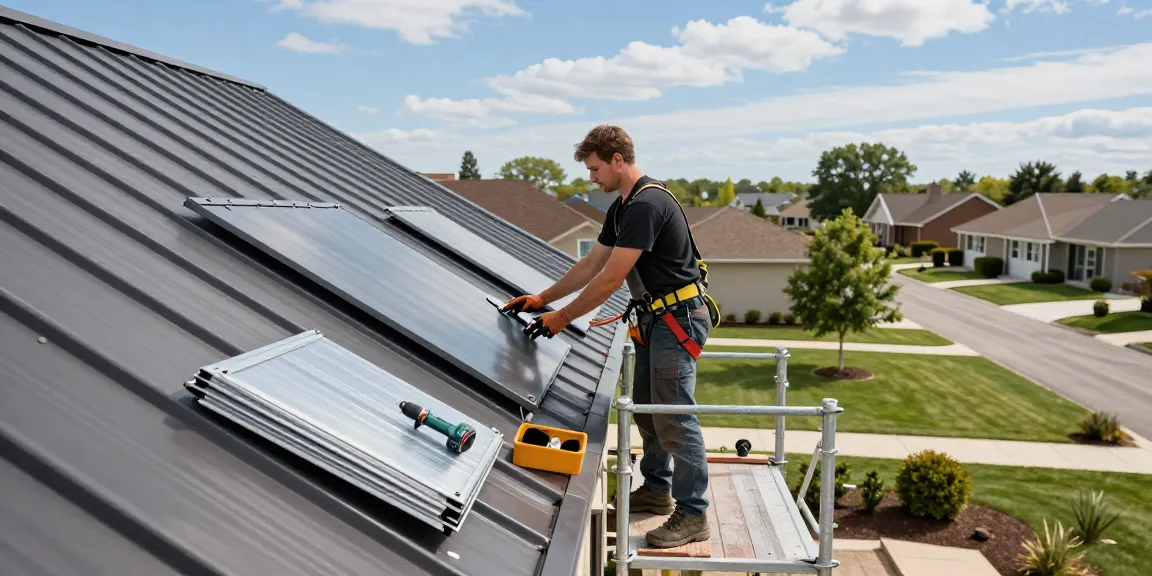
Installing a metal roof involves several steps to ensure optimal performance and durability:
- Preparation: Begin with a thorough inspection of the existing roof and remove any old roofing materials as necessary.
- Framing: Ensure the underlying structure is sound, and make any necessary repairs or reinforcements.
- Underlayment: Install a protective underlayment that provides additional moisture protection.
- Installation: Position the metal panels, allowing for proper expansion and contraction, and secure them according to the manufacturer's guidelines.
- Finishing touches: Install flashing around edges, vents, and chimneys to prevent leaks.
Choosing the Right Contractor for Your Project
Selecting a qualified contractor for your metal roof installation is crucial. Look for contractors with experience in metal roofing specifically, verified customer reviews, and a portfolio of past projects. Always ensure they have the necessary licensing and insurance, and request a written estimate outlining the scope of work and costs involved.
Essential Tools and Materials for Successful Installation
Successful metal roof installation requires specific tools and materials, including:
- Power tools such as drills and saws
- Measuring tape and chalk lines
- Ladder and scaffolding
- Safety gear, including helmets and goggles
- Metal panels, fasteners, and flashing
Maintaining Your Metal Roof Post-Installation
Regular Maintenance Tips for Longevity
To ensure the longevity of your metal roof, adhere to a regular maintenance schedule that includes:
- Inspecting for any signs of damage, rust, or loose fasteners.
- Cleansing debris and snow from the roof surface.
- Cleaning gutters and downspouts to maintain proper drainage.
Signs You Need Roof Repairs
Be on the lookout for red flags that indicate your metal roof may need repairs, such as:
- Visible rust or corrosion on the panels.
- Leakage or water stains on interior ceilings.
- Loose or missing fasteners and panels.
How to Clean and Care for Your Metal Roof
Cleaning your metal roof should be done with care. Use a gentle cleaner and a soft brush or cloth to avoid scratching the finish. Rinse thoroughly to remove any soap residue, and avoid using harsh chemicals that could damage the surface.
Future Trends in Metal Roofing
Innovative Technologies in Metal Roof Manufacturing
As technology advances, the manufacturing of metal roofs is evolving. New techniques include enhanced weatherproofing materials, energy-efficient coatings, and modular panel systems that simplify installation while improving aesthetics and performance.
Environmental Impact and Sustainability in 2026
In 2026, the emphasis on sustainability in building materials will continue to grow, with metal roofing taking center stage. Sustainable practices such as using recycled metals and integrating solar technology within roofing panels will become more commonplace, aligning with environmental goals.
Predictions for Metal Roofing Designs and Trends
Design trends for metal roofs are likely to shift towards modern aesthetics, with a focus on bold colors and textures. Homeowners will increasingly opt for customizable designs that reflect personal styles while still reaping the functional benefits of metal roofing.
What are the main benefits of metal roofs?
Metal roofs offer numerous benefits, including extended lifespan, low maintenance, and enhanced energy efficiency.
How long does a metal roof last?
Depending on the material, metal roofs can last from 40 to 70 years with proper maintenance.
Can I install a metal roof myself?
While DIY installation is possible, it is recommended to hire professionals to ensure the installation adheres to safety standards and local codes.
What should I consider when choosing a metal roof color?
Consider your home's architecture, the surrounding landscape, and local climate when selecting a metal roof color to achieve the best aesthetic appeal and energy efficiency.
How do I find a reputable contractor for metal roof installation?
Look for contractors with positive customer feedback, verified certifications, and experience specifically in metal roofing to ensure quality installation.