Understanding Dementia: Key Facts for Caregivers
Dementia is a growing concern globally, particularly as the population ages. In Haldimand, local families are increasingly seeking resources and knowledge to navigate this complex condition. Understanding dementia is essential for caregivers who are often at the forefront of providing support to those living with the disease. This guide aims to provide caregivers with crucial information, practical strategies, and local resources to enhance their caregiving journey. When exploring options, dementia haldimand offers comprehensive insights into care strategies and support networks.
What is Dementia? An Overview
Dementia is not a single disease but rather an umbrella term encompassing various symptoms linked to cognitive decline. It primarily affects memory, thinking, and social abilities, thereby hindering an individual's daily functioning. Alzheimer’s disease is the most common cause, accounting for 60-80% of cases, but other types like vascular dementia, frontotemporal dementia, and Lewy body dementia also play significant roles.
Types of Dementia Commonly Seen in Haldimand
In Haldimand, several types of dementia are prevalent:
- Alzheimer’s Disease: The most recognized form, characterized by progressive memory loss and cognitive decline.
- Vascular Dementia: This type is linked to reduced blood flow to the brain, often following strokes or other cardiovascular issues.
- Lewy Body Dementia: Marked by the presence of Lewy bodies in the brain, this type leads to fluctuating cognitive ability, visual hallucinations, and movement issues.
- Frontotemporal Dementia: Affecting the frontal and temporal lobes, this type can lead to significant personality and behavioral changes.
Symptoms and Early Signs to Watch For
Recognizing the early signs of dementia can be crucial for timely intervention. Early symptoms may include:
- Memory loss, especially forgetting recently learned information.
- Difficulty in planning or solving problems.
- Confusion with time or place.
- Challenges in completing familiar tasks.
- Changes in mood and personality.
Resources and Support Networks in Haldimand
Finding the right support can make a significant difference for caregivers and those living with dementia. Haldimand is home to various organizations dedicated to helping families navigate this challenging journey.
Local Organizations Offering Assistance
Some valuable local resources include:
- Alzheimer Society Brant, Haldimand Norfolk: They provide numerous services including counseling, education, and support groups.
- Community Care Access Centre: Offers information on home care services and support for families.
- Haldimand Norfolk Health Unit: Provides health resources and initiatives focused on dementia care.
Online Resources and Tools for Caregivers
In addition to local organizations, there are also numerous online tools and resources available:
- Alzheimer’s Association: A comprehensive resource for information and support related to Alzheimer’s disease and other dementias.
- Canadian Virtual Hospice: An online resource offering support and information for families dealing with palliative care.
Support Groups for Families and Caregivers
Support groups can provide emotional relief and practical advice for caregivers. In Haldimand, many organizations facilitate these groups, allowing family members to share experiences and strategies:
- Caregivers support group at the Alzheimer Society.
- Local community center meetings focusing on dementia education and support.
Effective Communication Strategies
Communication can be a significant challenge when caring for someone with dementia. However, employing effective strategies can help maintain connection and foster understanding.
How to Communicate with a Person with Dementia
Engaging meaningfully requires patience and adaptability. Here are some strategies:
- Use simple, clear language and speak in a calm, soothing tone.
- Avoid confronting or correcting them; rather, redirect the conversation to something positive.
- Utilize non-verbal cues, such as gestures and facial expressions, to augment understanding.
Techniques for Maintaining Connection
To strengthen connection:
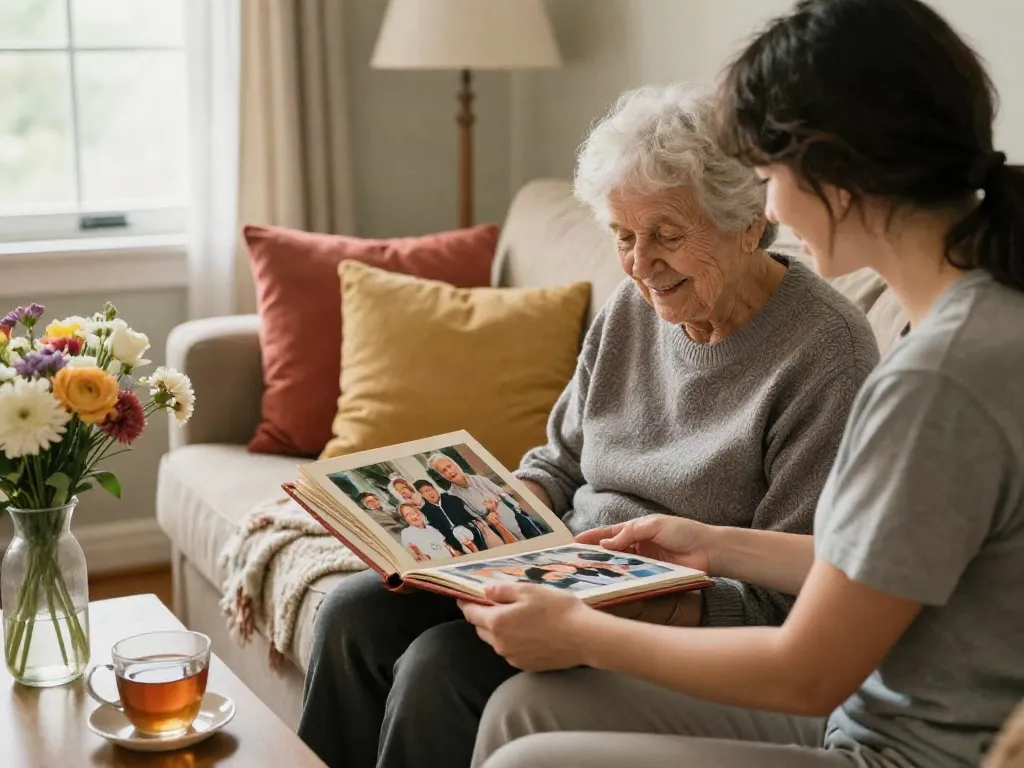
- Incorporate familiar activities that they enjoy, such as singing their favorite songs or looking through photo albums.
- Maintain eye contact and use a warm, welcoming demeanor.
Handling Difficult Conversations: Tips and Tricks
Sometimes, difficult topics must be discussed. Handling these conversations requires tact:
- Approach the topic gently and allow the person time to process.
- Be prepared for a range of emotions and responses.
Daily Care Techniques for Dementia Patients
Establishing a routine and providing appropriate activities can significantly enhance the quality of life for dementia patients.
Establishing Routines for Comfort
Regular routines provide a sense of stability and predictability, which can be comforting for individuals with dementia. Consider:
- Setting consistent meal and medication times.
- Incorporating physical activity into the daily schedule to enhance mood and reduce agitation.
Activities and Engagement Strategies
Engaging dementia patients in meaningful tasks is vital for their mental and emotional well-being:
- Art and crafts can stimulate creativity, while providing a sense of accomplishment.
- Gardening or simple household chores can invoke past skills and provide joy.
Managing Challenging Behaviors in Dementia
As dementia progresses, caregivers may encounter challenging behaviors. Strategies to manage these behaviors include:
- Identifying triggers that lead to agitation or resistance.
- Responding to stressful situations with a calm demeanor and offering reassurance.
Future Trends in Dementia Care: What to Expect
The field of dementia care is rapidly evolving, with new trends expected to influence support systems and treatment approaches in Haldimand and beyond.
Innovations in Care Techniques for 2026
Advancements in care techniques, such as person-centered care models and technology integration, are likely to enhance the quality of care:
- Training programs focused on empowering caregivers with the latest strategies.
- Utilization of virtual reality and simulation technologies to improve engagement and understanding of dementia.
Emerging Support Technologies
Technology is poised to play a vital role in dementia care:
- Wearable devices that monitor health and safety, offering peace of mind to caregivers.
- Telehealth solutions that enable remote consultations with healthcare professionals.
Predictions for Community Initiatives in Haldimand
Community initiatives focused on raising awareness and reducing stigma around dementia are anticipated to grow:
- Increased public education campaigns to inform families about available resources.
- Development of dementia-friendly spaces in local communities to enhance accessibility.
What is the Importance of Brain Health?
Promoting brain health is critical for individuals of all ages. Engaging in activities that stimulate cognitive functions, such as puzzles, reading, and learning new skills, can help maintain brain health and potentially reduce the risk of dementia.
Frequently Asked Questions
How can I find dementia resources in Haldimand?
Local organizations such as the Alzheimer Society provide comprehensive resources and support options for dementia caregivers and families.
Where can I find support for caregivers?
Support groups offered through local healthcare providers and community organizations are excellent places for caregivers to connect and share experiences.
What activities are beneficial for those with dementia?
Activities that are familiar and have personal significance, such as singing, crafting, or gardening, can be particularly beneficial.
How can I improve communication with someone with dementia?
Simplifying communication, using non-verbal cues, and maintaining a calm demeanor can significantly enhance interactions.
What are the most common challenges in dementia caregiving?
Common challenges include managing behavioral changes, coping with emotional stress, and dealing with the progressive nature of the condition.